Archives February 2026

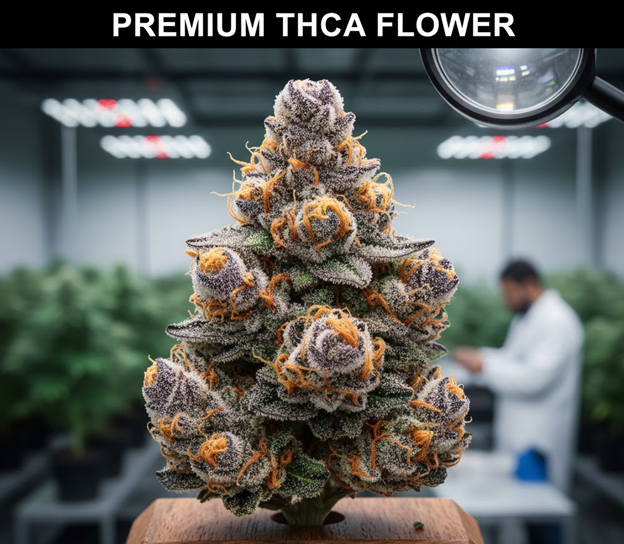
PREMIUM THCA FLOWER: THE HIGH-END STANDARD FOR 2026 CONNOISSEURS 

As the calendar turns to 2026, the distinction between “budget” hemp and Bulk THCA Flower has never been clearer. In a market where transparency and lab-verified purity are now mandatory, “premium” has evolved into a technical standard rather than a marketing buzzword. For the modern enthusiast, sourcing premium flower means looking beyond simple potency percentages and into the craftsmanship of cultivation, curing, and genetic stability. 

What Defines “Premium” in the 2026 THCA Market? 

In the current landscape, premium THCA flower is defined by a holistic approach to the plant. It isn’t just about the “high”; it’s about the sensory experience, the cleanliness of the grow, and the preservation of the plant’s volatile compounds. 

1. Indoor Cultivation and Environmental Precision 

The majority of top-tier THCA flower in 2026 is produced in climate-controlled indoor facilities. Unlike outdoor or greenhouse grows, indoor environments allow master growers to manipulate variables such as light spectrum (using advanced LED arrays), CO2 levels, and root-zone temperature. This precision results in: 

  • Maximized Trichome Density: Buds appear “sugar-coated” with intact, milky-to-amber resin glands. 
  • Uniformity: Consistent bud structure and potency across different harvests. 
  • Pest and Contaminant Control: Eliminating the need for harsh pesticides, ensuring a “clean” smoke. 

2. Genetic Stability and Rare Phenotypes 

Premium status is often reserved for “exotic” genetics—strains that have been stabilized over multiple generations to express unique traits. In 2026, consumers are moving away from generic names and toward specific phenotypes bred for high terpene counts and rare cannabinoid ratios. Whether it is a gassy, fuel-heavy OG or a creamy, dessert-inspired hybrid, the genetics of premium THCA flower are unmistakably “loud.” 

The Science of the “Total THC” Calculation 

One of the biggest hurdles for premium growers in 2026 is maintaining federal compliance while pushing the limits of potency. The industry now strictly adheres to the “Total THC” formula to ensure the flower qualifies as legal hemp: 

To maintain a Total THC level under 0.3% in certain restrictive jurisdictions, or simply to keep Delta-9 under the 0.3% federal cap, premium cultivators use “cold-cure” techniques. This prevents the natural degradation of THCA into Delta-9 THC, effectively “freezing” the plant in its most potent and legal state. 

Identifying Quality: Curing and Lab Verification 

The final hallmark of premium THCA flower is what happens after the harvest. 

The Art of the Slow Cure 

While industrial-scale hemp is often flash-dried, premium flower undergoes a slow, multi-week curing process in temperature-regulated glass or stainless steel vessels. This allows chlorophyll to break down—removing the “grassy” taste—and allows the terpene profile to reach its full complexity. The result is a smooth, flavorful vapor or smoke that lacks the harshness of lower-grade flower. 

Laboratory Standards 

In 2026, a simple potency test is insufficient. A premium product must be accompanied by a full-panel Certificate of Analysis (COA). This documentation must be as rigorous as the safety data for a research grade peptide, screening for: 

  • Full Terpene Profile: Identifying exactly which oils provide the aroma. 
  • Heavy Metal Screening: Ensuring the soil or medium was pure. 
  • Microbial Purity: Confirming the absence of mold, yeast, or salmonella. 

Conclusion 

Sourcing premium THCA flower in 2026 is an exercise in discerning quality through data and sensory experience. By prioritizing indoor-grown cultivars, demanding full-panel lab results, and looking for signs of a proper slow cure, consumers can enjoy the pinnacle of what the hemp plant has to offer. As the market continues to sophisticated, these premium standards will remain the benchmark for safety, legality, and enjoyment. 

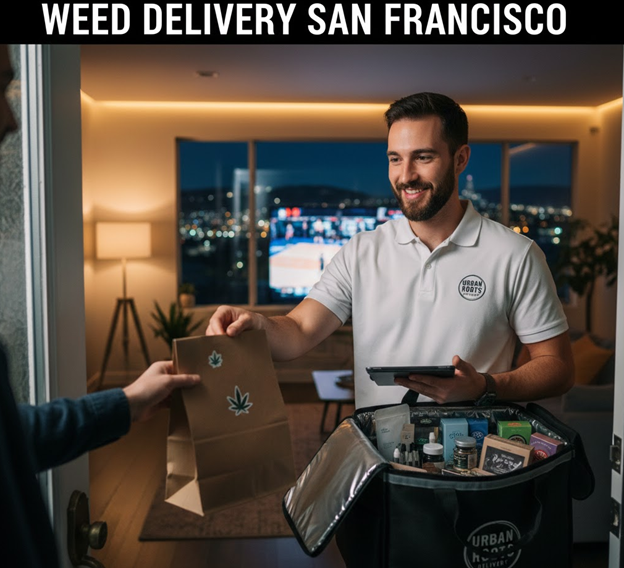
WEED DELIVERY SAN FRANCISCO: NAVIGATING THE 2026 PREMIUM MARKET 

In the heart of 2026, San Francisco remains the epicenter of cannabis innovation and culture. While the city’s historic dispensaries continue to draw crowds, the most significant shift in consumer behavior has been the explosion of Martinez Weed Delivery. Whether you are located in a high-rise in SoMa, a Victorian in the Haight, or a quiet street in the Sunset District, the ability to access top-tier cannabis without battling city traffic or limited parking has transformed the local experience. 

The San Francisco Advantage: Why Delivery Rules the City 

The topography and urban layout of the “City by the Bay” make it a uniquely challenging place for retail errands. Between the steep inclines and the ever-present parking crunch, delivery has transitioned from a convenience to a necessity for many residents. 

1. Neighborhood-Wide Coverage 

Modern delivery networks in San Francisco have mastered the city’s micro-climates and complex street grids. Services now provide hyper-local logistics, ensuring that an order placed in the Richmond District is routed from a nearby hub to guarantee freshness and speed. In 2026, many providers offer delivery windows as tight as 30 to 60 minutes, rivaling traditional food delivery services. 

2. Exclusive Digital Inventories 

Many of San Francisco’s top-tier micro-businesses and equity cultivators have pivoted to delivery-first models. By skipping the overhead of a storefront, these cultivators can offer “boutique” batches that are often sold out before they would even hit a retail shelf. Ordering online gives consumers first-row access to small-batch “exotic” strains and artisanal concentrates. 

How to Order Weed Delivery Safely and Legally 

The 2026 regulatory environment in San Francisco is robust, designed to protect the consumer while fostering a diverse marketplace. To ensure a smooth experience, keep the following standards in mind: 

Verification and Compliance 

When you order weed delivery in San Francisco, the service must comply with both state (DCC) and local Office of Cannabis (OOC) regulations. This includes: 

  • Age Requirements: Valid government-issued ID is required for those 21+ (recreational) or 18+ (with a valid medical recommendation). 
  • Purchase Limits: State law limits daily recreational purchases to 28.5 grams of flower or 8 grams of concentrate. 
     
  • Taxes: Be prepared for the combined state excise tax, local cannabis business tax, and standard sales tax, which often total approximately 30% in the Bay Area. 

The Role of Lab Testing and COAs 

Purity is the hallmark of the Northern California market. Every product out for delivery is backed by a Certificate of Analysis (COA). The rigorous testing protocols used for high-end SF extracts are as precise as those used for a research grade peptide, screening for even the most minute traces of heavy metals or residual solvents. This ensures that the “fog” in San Francisco is the only thing that isn’t lab-verified. 

Selecting Your Products: From Flower to Solventless 

The San Francisco menu is one of the most diverse in the world. Delivery services typically categorize their offerings into tiers: 

  • Indoor Flower: Often grown in climate-controlled facilities in the East Bay or Humboldt, these are high-potency options for those seeking maximum aroma and visual appeal. 
  • Solventless Live Rosin: A local favorite, these concentrates are made using only ice, water, heat, and pressure. They represent the pinnacle of clean consumption. 
  • Infused Edibles: Ranging from micro-dosed mints for a walk through Golden Gate Park to high-potency gummies for a night in, the edible market has moved toward fast-acting technology that kicks in within 15 minutes. 

Conclusion: The Future of SF Cannabis 

As we move through 2026, weed delivery in San Francisco continues to set the global standard for how cannabis should be distributed. By combining the city’s deep-rooted cannabis heritage with modern logistics and strict safety standards, residents and visitors alike can enjoy a premium, secure, and highly efficient experience.